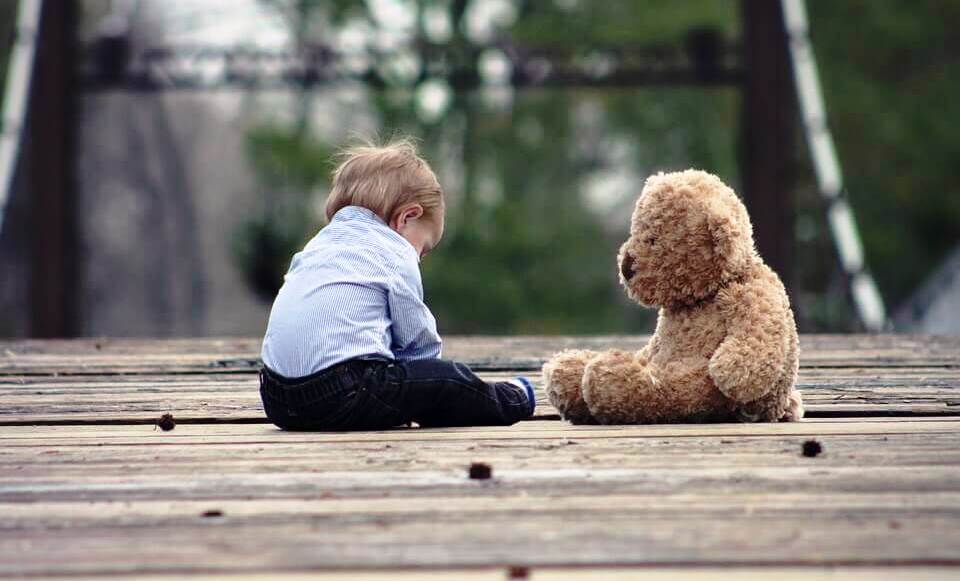
Parents around the world love and care for their children equally. Yet, beliefs about how younger generations should be raised vary significantly depending on a country’s traditions, family structure, and cultural norms. What is considered unacceptable in one country may be perfectly normal elsewhere.
Even though European countries today are united under the European Union, they have not lost the authenticity and deeply rooted values developed over centuries. The core principles that define European child-rearing—freedom, independence, and individuality—remain firmly intact.
But what about Georgia—a country with centuries-old traditions, strong Caucasian mentality, and a simultaneous aspiration toward Western values?
“The Street Academy,” Gender-Exclusive Sexual Education, and an Authoritarian Parenting Style
According to a study by UNICEF, the majority of Georgian parents of adolescents employ an authoritarian style of upbringing. The research shows that Georgian teenagers often do not feel adequately supported by their parents. While parents tend to focus on material and physical well-being, emotional and psychological needs receive significantly less attention.
Teenagers, however, want friendly relationships with their parents—relationships that allow them to share their worries without fear. When adolescents do not feel supported during emotionally vulnerable periods, their psychosocial well-being is negatively affected.
“I don’t want to talk about my problems at home. When I did, they blamed me instead,”
—13-year-old boy, Telavi.
A girl from the 14–17 age focus group links adolescent vulnerability directly to parental neglect of emotions:
“When children harm themselves, it’s because they don’t receive enough love at home, or from anyone. Parents are sometimes shocked when a child attempts suicide, yet they never pay attention to what their children value most. In that sense, parents are to blame too,”
—14–17-year-old girl.
Another challenge faced by adolescents is conditional parental love. Teenagers emphasize the importance of feeling accepted as they are.
The study also revealed that many parents—especially fathers—use physical or psychological punishment to assert authority. Physical punishment decreases as the child grows older, but emotional manipulation and shouting remain common.
“When your child drives you crazy, how can you hold yourself back and not yell?”
—Father from a rural area.
Teenagers, however, claim that shouting is ineffective and argue that parents should adopt alternative communication strategies:
“They should be more careful and ask us nicely instead of yelling.”
—Girls aged 10–13, regional area.
Appearance control is another issue. Teenagers report feeling distressed when parents impose rules on their physical appearance:
“My dad doesn’t know I cut my hair. He hates it short, so he’ll probably yell at me.”
—Girls aged 10–13, regional area.
The study also found that many fathers feel exhausted, desperate, and helpless in the face of their children’s disobedience. They often seek comfort and guidance from clergy, believing that monastery life can “correct” adolescent behavior.
Conversely, in families where parents prioritize communication and open dialogue, adolescents navigate this critical period of life with far greater ease:
“I can’t imagine a relationship where my parents don’t trust me.”
—Boys 14–17, Batumi.
“We all have a good relationship at home. I love talking to them. We always discuss our day together during dinner.”
—Girls 14–17.
While adolescents want a close relationship with parents, privacy is essential for them to perceive themselves as emerging adults.
Sexual Development, Gender Bias, and Parental Silence
As children grow physically and cognitively, sexual development naturally follows. Yet, very few parents in Georgia feel comfortable—or competent—discussing topics such as sex, reproductive health, or risk factors.
When it comes to boys, fathers openly acknowledge their sons’ biological needs and even financially support early sexual experiences. However, fathers of girls perceive conversations about sexuality as dangerous, fearing such discussions might provoke early interest or desire.
Only a few fathers expressed readiness to discuss any topic openly with their children, regardless of gender.
Violence and the “Street Academy”
Adolescents often witness or experience violence at home, at school, or in their neighborhoods. Yet parents frequently fail to respond with adequate emotional support.
“I won’t tell them anything because they’ll blame me. They always say I should tolerate things, but I can’t,”
—10–13-year-old boy.
“Once a classmate hit me, and I hit him back. When I went home with a swollen face, I was punished,”
—10–13-year-old boy.
Another trend is the so-called “street academy.” Many fathers view street-learned toughness as a necessary life skill:
“A boy must go through the ‘street academy’ and know never to call the police.”
—Fathers, Batumi.
Most adolescents who have faced violence tend to follow advice from adult figures—especially fathers. Children internalize and replicate the behavioral models their parents demonstrate.
According to the study, a lack of supportive and stimulating environment prevents healthy cognitive development. Such children struggle to explore new environments, manage challenges, and often develop antisocial behavior, low self-esteem, and poor decision-making skills.
Parenting Is Learned: “Walking a Tightrope”
A mother of two from Tbilisi explains:
“My approach is both strict and friendly—like walking a tightrope. I want discipline, but I also don’t want to lose the friendly connection we have. My priority is raising responsible citizens.
My children are four years apart, but I raise them as independent individuals. For example, schoolwork is entirely their responsibility, not mine. They know I won’t do their homework for them.
My parenting approach differs between my son and daughter. There are areas where I expect more from my son, and others where I expect more from my daughter. But in both cases, I teach them independence.
Parenting is changing in this century. Today’s parents read more, listen to psychologists and coaches, and try to become better. Parenting is learnable, and modern parents are more willing to learn new approaches.”
A European Perspective Blended with Georgian Family Warmth
A Georgian mother living in Germany shares:
“Living in Germany showed me how different child-rearing is. The environment is adapted to the child—not the other way around.
Any emotion is considered normal. If a child cries loudly in public, no one stares or criticizes. The law strictly protects children’s rights; even raising your voice is monitored. Only parents and teachers are allowed to discipline a child.
In the first four years of school, learning is play-based. There is no pressure from grades. Teachers adjust learning methods to the child’s abilities. Children choose between art, sports, or music, and this choice is respected.
Assessments every six weeks are not exams—they monitor progress without stress.
This system made my son calmer, more confident, and more independent. My daughter receives the same freedom. Gender does not affect parenting here.
Ultimately, the European model encourages freedom, responsibility, and self-respect. Combined with Georgian warmth, it creates the foundation for harmonious development.”
“Upbringing Has Disappeared” — Psychologist’s Perspective
Psychologist Teo Gubianuri notes:
“Parents must have consistent, unified approaches. If one parent teaches responsibility and the other dismisses it, the child receives conflicting messages.
Children learn through modeling—by observing how adults express emotions or solve problems.
Interference from relatives can undermine parental authority. The parent must remain the ultimate decision-maker; otherwise, long-term behavioral issues arise.”
Philologist and psychologist Shalva Amonashvili adds:
“We no longer take upbringing seriously—neither at home nor at school. At school, children only hear ‘behave’ or ‘be good,’ which is not upbringing.
In past generations, parents valued upbringing far more. They raised children according to clear principles and moral expectations.”
Child-Rearing Around the World
How does parenting differ from country to country? Why is it that what is considered “normal” in one culture may be completely unacceptable in another?
Humanity, independence and individuality are the core principles of pedagogy in every country. However, each culture interprets these concepts in its own way and places different emphases on them. Let’s compare.
Total Freedom: Norway and Sweden
In the Scandinavian countries, parents give their children almost complete freedom. Children decide for themselves what to play and what to do. They are not forced to take an afternoon nap. Scandinavians do not follow a rigid daily routine and, in raising children, their main goal is to develop the child’s creative potential. In kindergartens and primary schools, educational activities are carried out mainly through play.
Raising one’s voice at a child, let alone hitting them, is strictly forbidden. If social services notice such behavior from parents, the child may be removed from the family. Scandinavian children learn about their rights from a very early age and are able to complain to the authorities about abusive treatment.
Scandinavian parents pay great attention to their children’s physical development and health. They believe that natural food and fresh air are the foundation of proper upbringing. That is why any kind of outdoor play is encouraged, as it strengthens the immune system.
Independence From Adults: France
French parents teach their children independence and discipline from an early age. It is unlikely that you will see a mother in France running after a one-year-old so that they don’t fall. The French monitor their children’s safety, but they do not interfere with their independent exploration of the world. For them, the child’s independence is more important than constant physical closeness.
Parents value their personal time and try to engage their children in various activities so that they can focus on work or self-development. In France, grandparents generally do not raise grandchildren in place of the parents — that responsibility lies primarily with the mother and father.
Relatives and Emotions: Italy
In Italy, the opposite tendency is common: children are often left with relatives, especially grandparents. Family is considered sacred. Around a child, besides the parents, there is usually a wide circle of close relatives. Children grow up in large families and often do not attend kindergarten at all.
In pre-school years, Italian children are pampered: they receive many gifts and are allowed to do almost anything. Jokes and a lack of social skills are tolerated, and even rather rude or cheeky behavior is often overlooked. A mother may shout at her child in the heat of the moment, but immediately afterward she rushes to hug and kiss them.
Italians love telling stories and praising their children in front of relatives and friends. Regular family dinners and holidays with invited relatives are of great importance.
German Parenting: Discipline and Responsibility
Child-rearing in Germany is built on strictness and order. Parents set clear rules: for example, children are not allowed to watch television for long periods or play computer games late into the night. From a very young age, they are taught to take responsibility for their actions and to be independent.
At the same time, German parents are quite relaxed in everyday life. Carrying a baby in their arms does not stop them from going to a café or a park. From the age of three, children attend kindergarten, where the focus is not on letters and numbers, but on social etiquette and discipline.
A “Voluntary” Parenting Style in Spain
Spaniards are often said to “spoil” their children: they praise them constantly and rarely say no. Parents do not scold their children for having a tantrum or screaming in a shop. No one sends children to bed strictly at a set time, and there are usually no bans on using tablets.
Spanish families are very close-knit; adults try to spend most of their free time with their children. Despite this relaxed and gentle style of parenting, in Spain the duties of parents are clearly defined by law. Physical or psychological violence against a child can lead to parents losing their parental rights.
“Don’t Show Your Emotions”: England
In England, children are taught manners and self-restraint from an early age. To become a true lady or gentleman, a child must learn to control their emotions. This is seen as a key indicator of good manners. As a result, English children, with their polished behavior, may sometimes seem more like young adults than kids.
Everything Is Allowed Until the Age of Five: Japan
In Japan, children are generally allowed to do almost anything until the age of five. The Japanese believe that during this period, children need maximum freedom. However, if a child behaves badly or breaks social etiquette, they may be gently reprimanded and given a clear explanation of why the behavior is unacceptable.
For Japanese parents, it is vitally important that children learn to respect their elders and the traditions of their country.
Raising “Geniuses”: China
Chinese education focuses on the intellectual development of children. To this end, parents try to enroll their children in as many clubs and activities as possible. The prevailing belief is that a child should always be engaged in something useful that contributes to their growth.
Moreover, boys and girls are equally taught practical skills — for example, how to hammer a nail or water plants.
Growing Up in African Countries
From a very young age, African children are traditionally carried everywhere. Women often carry babies wrapped in cloth tied around their bodies. That is where the child eats, sleeps, grows and observes the world. African children do not usually have strict sleep or feeding schedules. As they grow older, they spend most of their time outdoors with peers.
Children often find their own food, make their own toys or sew their own clothes. In some tribes, from the age of two, children can wash themselves and help wash dishes.
The Time-Out Method: United States
Democratic values have a strong influence on American child-rearing. In most cases, children are free to make their own choices and are not subjected to excessive pressure. American families are seen as tightly knit units built on trust.
Mothers often become full-time homemakers and devote their time to their children until they start primary school. Parents also do not rush to teach reading, writing and arithmetic too early. Working mothers, on the other hand, may hire a nanny or use daycare services to continue their careers.